
Sophie Allen | The Chronicle
After more than a year of preparation, halal food options have been introduced to the Mason High School (MHS) cafeteria as part of an ongoing effort to make the menu more accessible to students with different dietary needs. Earlier this year, the cafeteria added halal-certified turkey taco meat to its daily menu, with plans to introduce a second halal item in the near future.
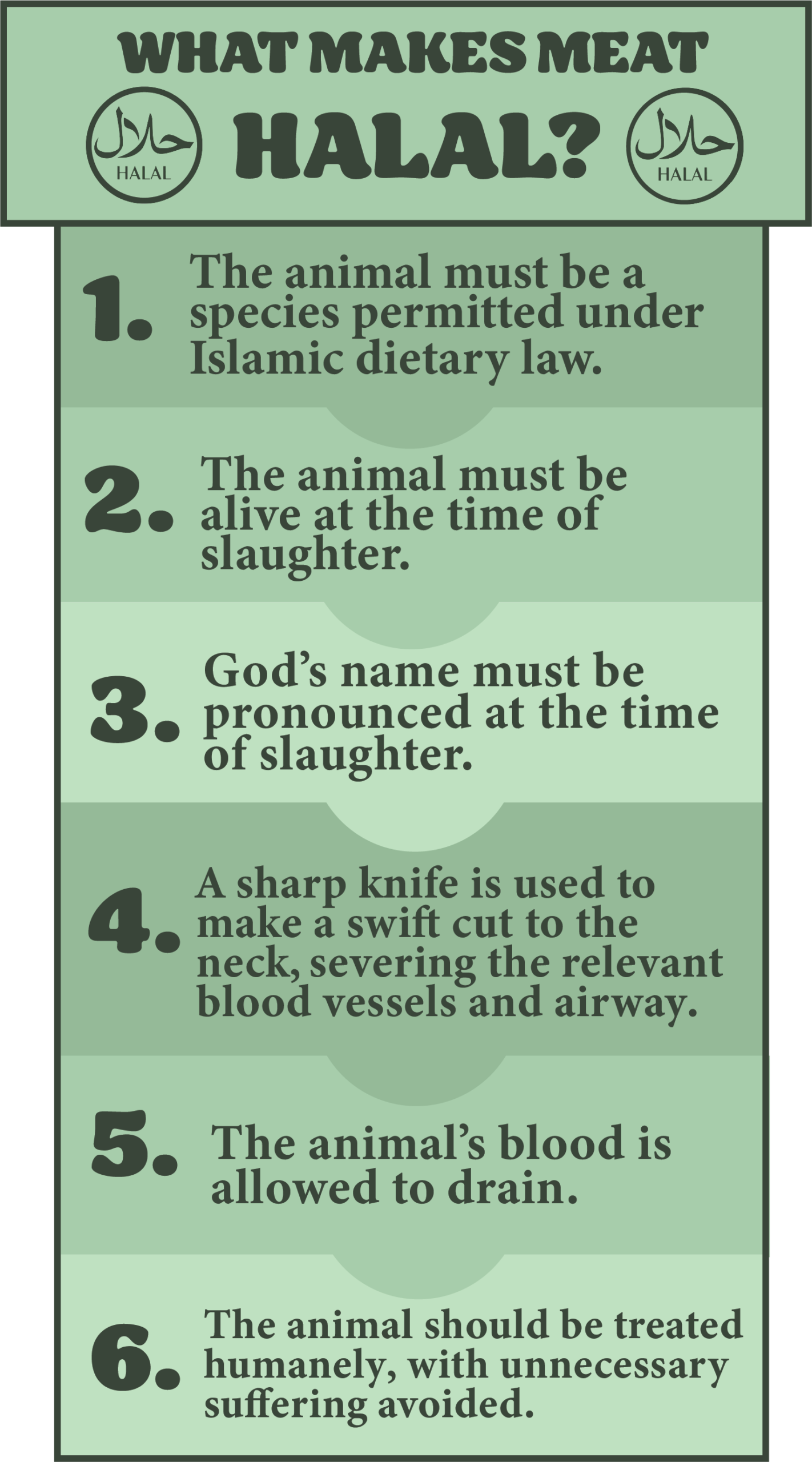
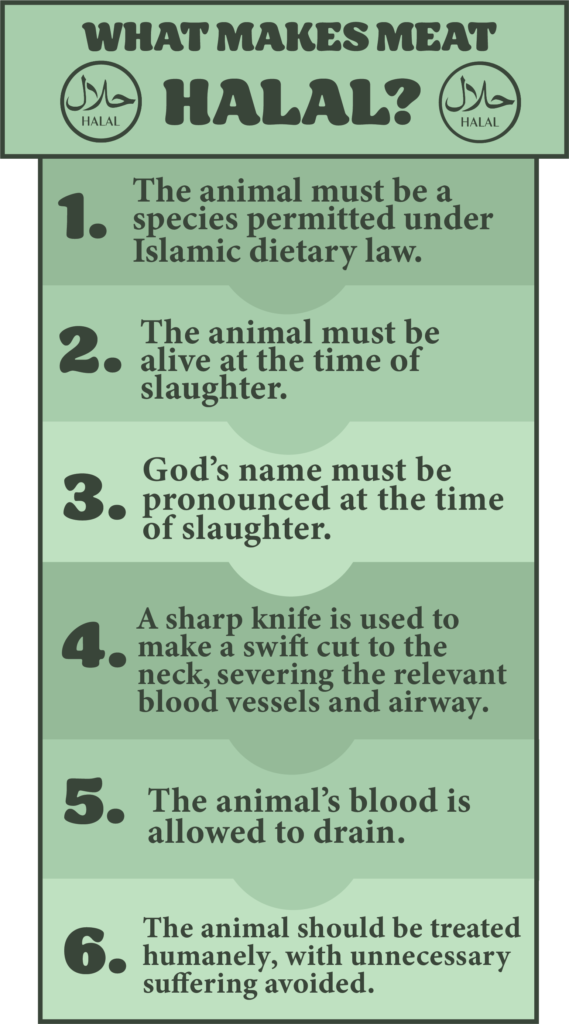
“Halal” refers to foods permissible under Islamic dietary law. Halal dietary guidelines prohibit pork and pork products, among other foods, and require meat from permissible animals to be slaughtered according to specific Islamic guidelines. Things which are forbidden are referred to as “haram.”
MHS student nutrition supervisor Rachel Tilford has been working towards expanding the menu to accommodate a variety of student diets over the past few years. Her job includes sourcing ingredients as well as communicating with suppliers and distributors.
“We’ve had requests to offer halal foods for a while, but [we] were not able to do a lot of that because they’re very expensive, and we were uncertain how to best handle halal foods,” Tilford said. “We understand that they have to be handled differently in the kitchen to meet the [Islamic] law, and we didn’t want to mishandle it.”
Tilford said that dining at school is about more than just serving meals; it is about creating a space where every student feels included, valued and ready to learn. Previously, the child nutrition team had focused on providing vegan and vegetarian options, but expanding to halal foods required additional effort to make appropriate accommodations.
“The first thing that we decided to do was take all the pork out of the kitchen because we knew the biggest [consideration] for people who follow [a halal] diet is the avoidance of pork,” Tilford said. “We took all [pork] items off the menu at the end of last school year so there would be no pork in our kitchens at all, from [Mason Early Childhood Center] MECC to the high school.”
Janelle Brunswick, the assistant student nutrition supervisor, works in conjunction with Tilford and the child nutrition team. Brunswick’s work focuses on incorporating new products into recipes for the menu.
“For us, adding halal meat has been more than simply finding a product that meets halal requirements,” Brunswick said. “We have to consider the product’s portion size, nutritional profile, USDA meal pattern contribution, cost, availability, preparation and how well it works within recipes our students already enjoy.”
MHS junior and Muslim student Rameen Tahir was one of the first students to try the halal menu offerings. Before being introduced to the cafeteria, samples of potential menu items were offered to students during lunch to gauge their reactions.
“Some days, I either don’t have anything that I want to pack, or I only bring snacks,” Tahir said. “[Having halal options] makes it a lot more accessible. If I don’t want to pack, I’m still able to buy something that I can actually eat.”
Tahir said that halal food can be subject to misconceptions. Because she rarely eats meat outside of her home, people sometimes mistake her for not eating meat at all.
“I think I’m the only Muslim person at my lunch table,” Tahir said. “For me to [eat the cafeteria food], and some people know I don’t [often] eat meat, they were obviously questioning, ‘Are you able to eat that?’ Then I can just explain what halal is, and I feel like that educates people, even if it’s the slightest bit. It lets people know that there are other options.”
While halal items remain relatively new among food suppliers and are considered specialty products, Mason’s child nutrition team continues to look for additional foods to add to the menu and better serve Mason’s diverse student body.
“I think [offering halal food] normalizes it,” Tahir said. “I feel like when more people understand [that] halal food can be anywhere, then it’s not something that’s so crazy. [For] a lot of people, it’s a distant concept to them because they don’t really know what it means.”