
Katie Samol | The Chronicle
A student walks the halls of their high school in an outfit costing upwards of $500. But they are not dressed in luxury brands or blingy jewelry; they are simply sporting what is in style.
Brands rising to popularity among teenagers are pricier than ever.
Comfrt, Alo, Essentials and Aviator Nation are just a few of the trending brands that can be seen sported by students in the halls of Mason High School (MHS). But what sets these brands apart? Their prices speak for themselves.
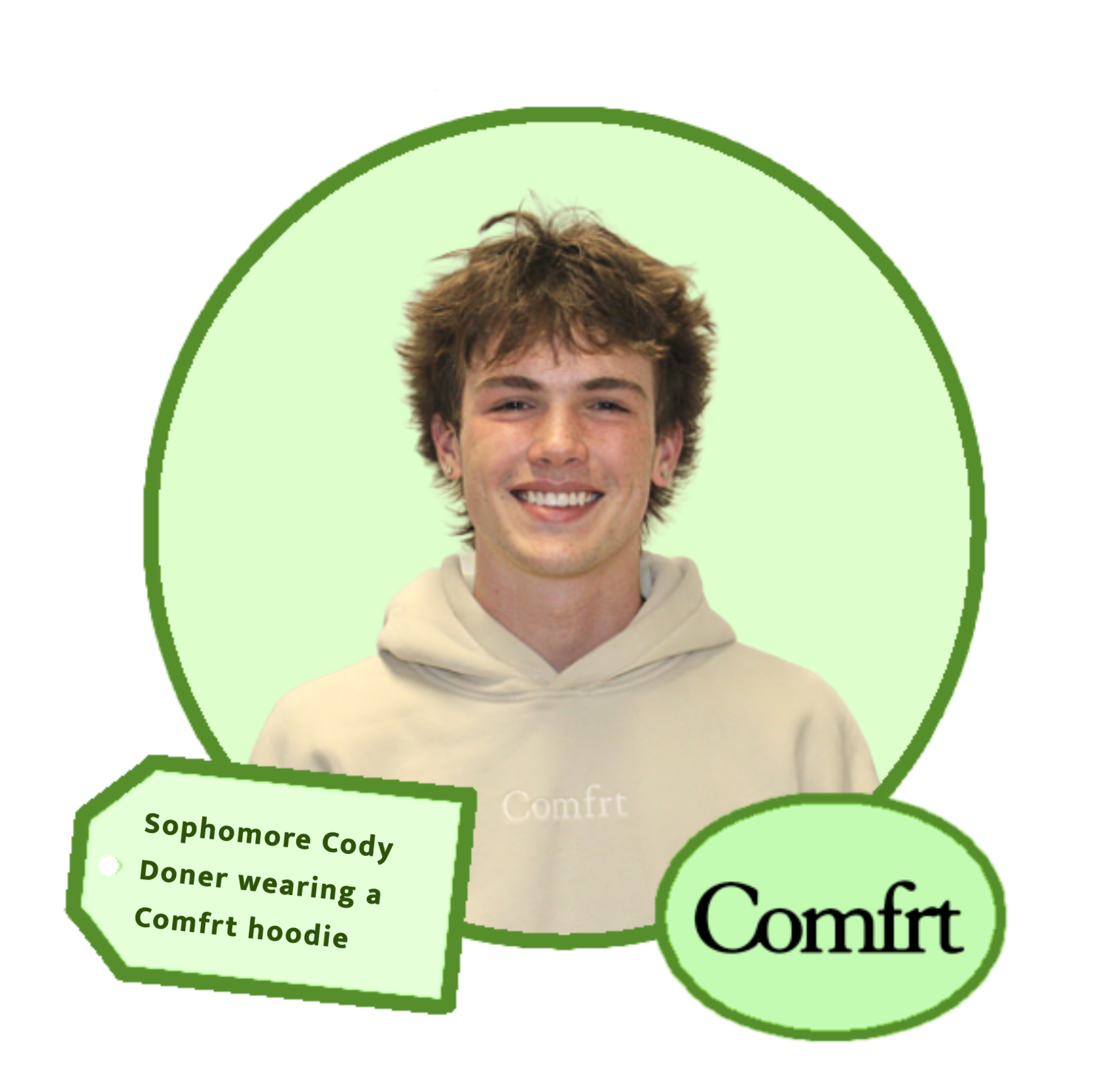
Essentials and Comfrt sweatshirts run for $150 and $120, respectively. Alo, a yoga-focused athleisure brand, sells popular sweat sets and quarter-zips priced at $148. Aviator Nation strives to be a “1970s-inspired California lifestyle brand”, and has grown trendy among teenage girls, with t-shirts priced at $89 and zip-up hoodies at $196. Parke sweatshirts have exploded in popularity in a matter of months–mock neck sweatshirts with “PARKE” sewn across the chest for $130.
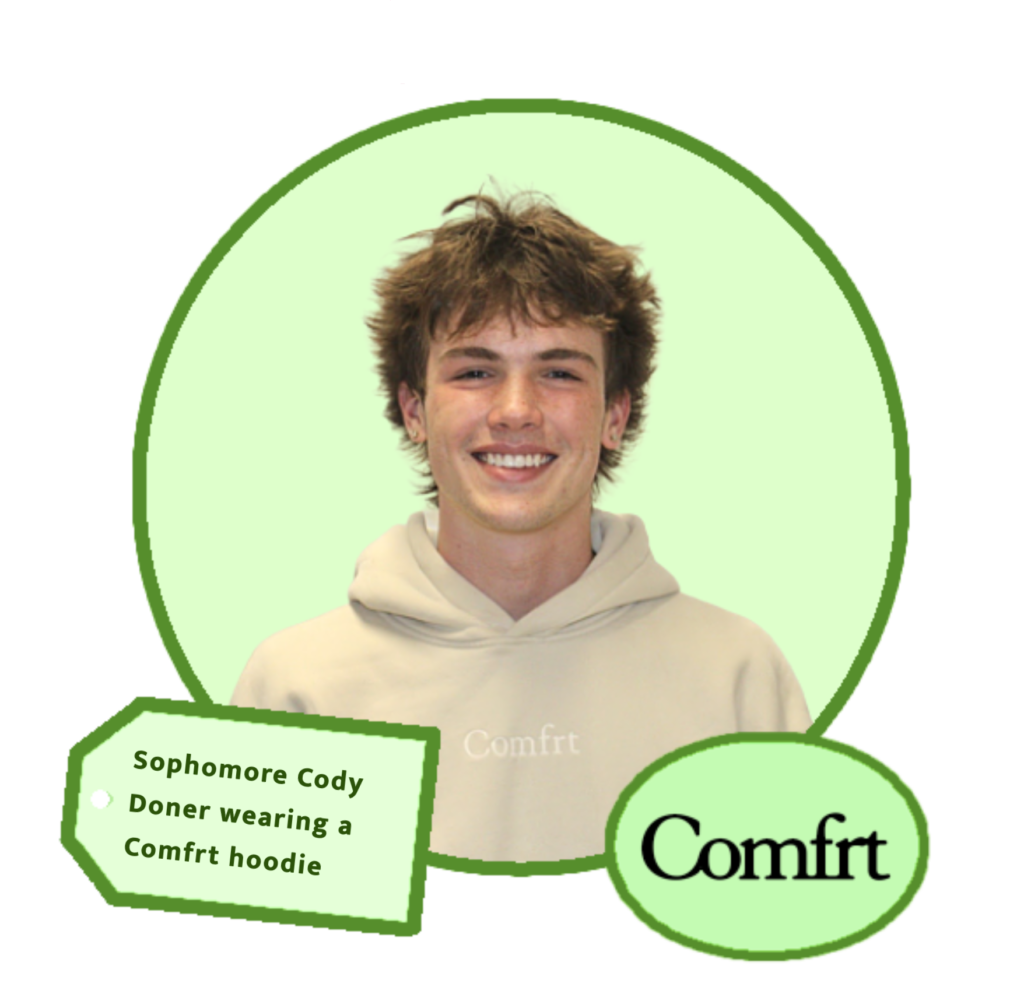
Some MHS students weighed in on their experience with and opinions on this topic. Cody Doner, a sophomore at MHS, says he has seen the prices of popular clothing rise in recent years. Doner said he considered purchasing clothing from Alo before seeing the price. He noted how TikTok and Instagram have shifted consumerist culture and the advertising avenues of brands.
“I see people posting on their [Instagram] stories with giveaways,” Doner said. “I feel like the way these companies market is a lot more social media [leaning] and getting their consumers to get other consumers to buy.”
This shift in consumer strategy can lead to a stronger desire to fit in for some, but for others, fashion is viewed differently. Elliot Pearce, an MHS senior, is co-president of the MHS Fashion Club. Pearce said he has never bought into the idea of buying expensive, trendy clothing. He believes you can find equally good quality clothing at thrift stores for a lower price.
“We’re so judgmental as humans, especially in high school,” Pearce said. “What everybody’s wearing is these nice, trendy clothes, and I think people do feel pressure to look nice and they have a mindset [that] the only way you can look nice is if you wear these brands.”
Mia Bensman, a senior at MHS, said that the first thing she sees about someone is their outfit, and she feels the pressure that Pearce talked about to look a certain way at school. She owns clothes from Alo, Aviator Nation and Free People Movement. She said she has been influenced by her friends and creators on TikTok and Instagram, who always promote the next big thing. Bensman purchases this clothing with her own money or occasionally asks for clothing as gifts.
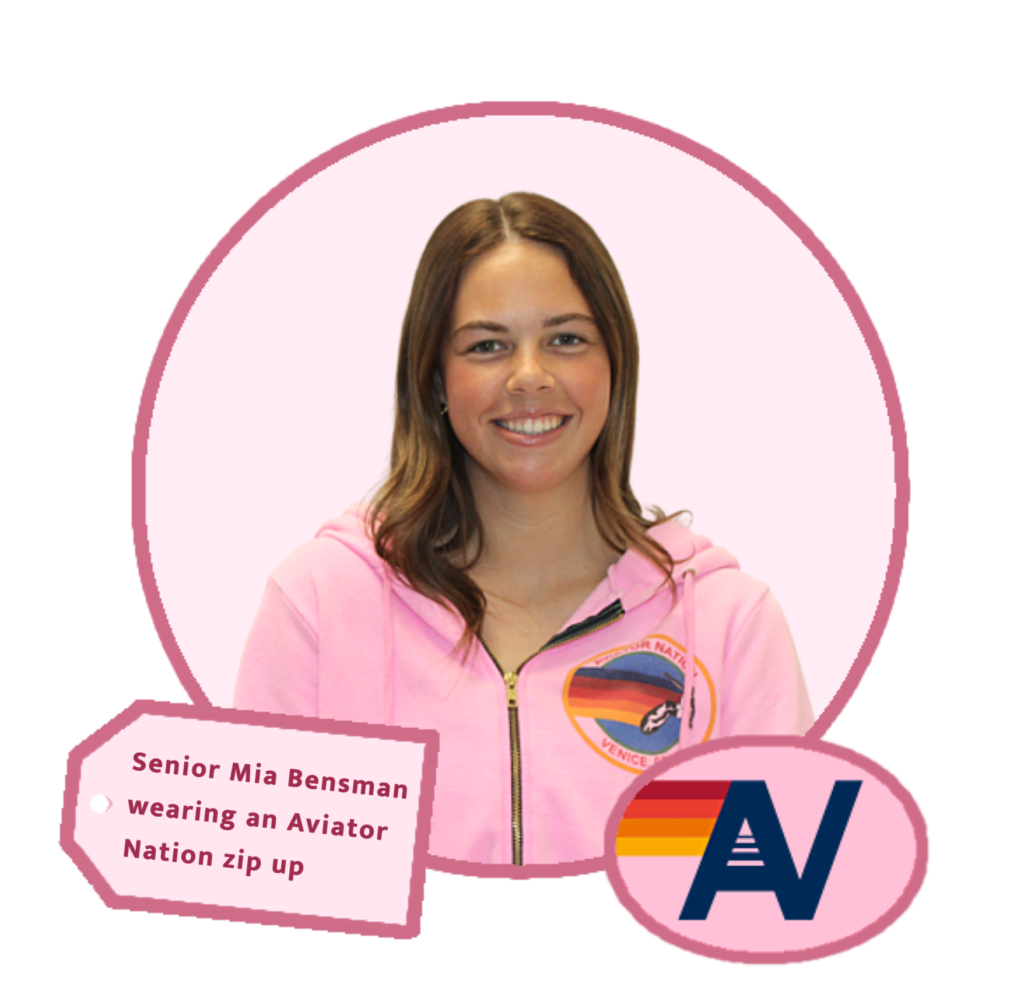
“Social media takes over people’s lives,” Bensman said. “Sometimes that’s the first thing people see when they wake up and the last thing they see before they go to bed. The people who are running the Instagram pages know what they’re doing. [Brands] are constantly releasing new items, and I think it’s making people [think], ‘Okay, I’ve got this, but now there’s this new shiny item that I really want.’”
Brands strategically advertise new versions of popular items to attract consumers. For example, a new Spring collection from Parke or the release of a new color from Alo. Bensman said she does not believe the pricing of trending brands is necessary, and she finds it problematic that these prices are becoming normalized.
“I think a lot of it is just for the brand name,” Bensman said. “I have this gray crew neck that I wear all the time, and it was 20 bucks, and I have my Alo crew neck, and they’re literally the same material. It’s just the fact that there’s a little silver logo on it that makes me feel different or makes me feel more put together.”
Other MHS students step out in style through shoe collecting. Emmanuel Rodgers, a senior at MHS, has been collecting shoes since the third grade and owns a couple hundred pairs. Jordans, Asics, Adidas, New Balance, Saucony–he said no one brand is his favorite because he likes the variety in his collection. Rodgers said he has definitely seen shoe prices rise in recent years simply because of the name of the brands and who is seen wearing them.
“I got tired of having on the same shoes every day, and I wanted to switch up my style,” Rodgers said. “People buy the shoes because they want to fit in with the crowd. I think it’s not a good thing because then no one has their own style.”
Sarah Salem, a junior at MHS, said she feels that she has seen susceptibility to influencing and marketing increase in recent years. She frequently wears clothing from Alo and has purchased from Comfrt, Aviator Nation, Essentials and Free People Movement. Salem’s parents pay for her clothing.
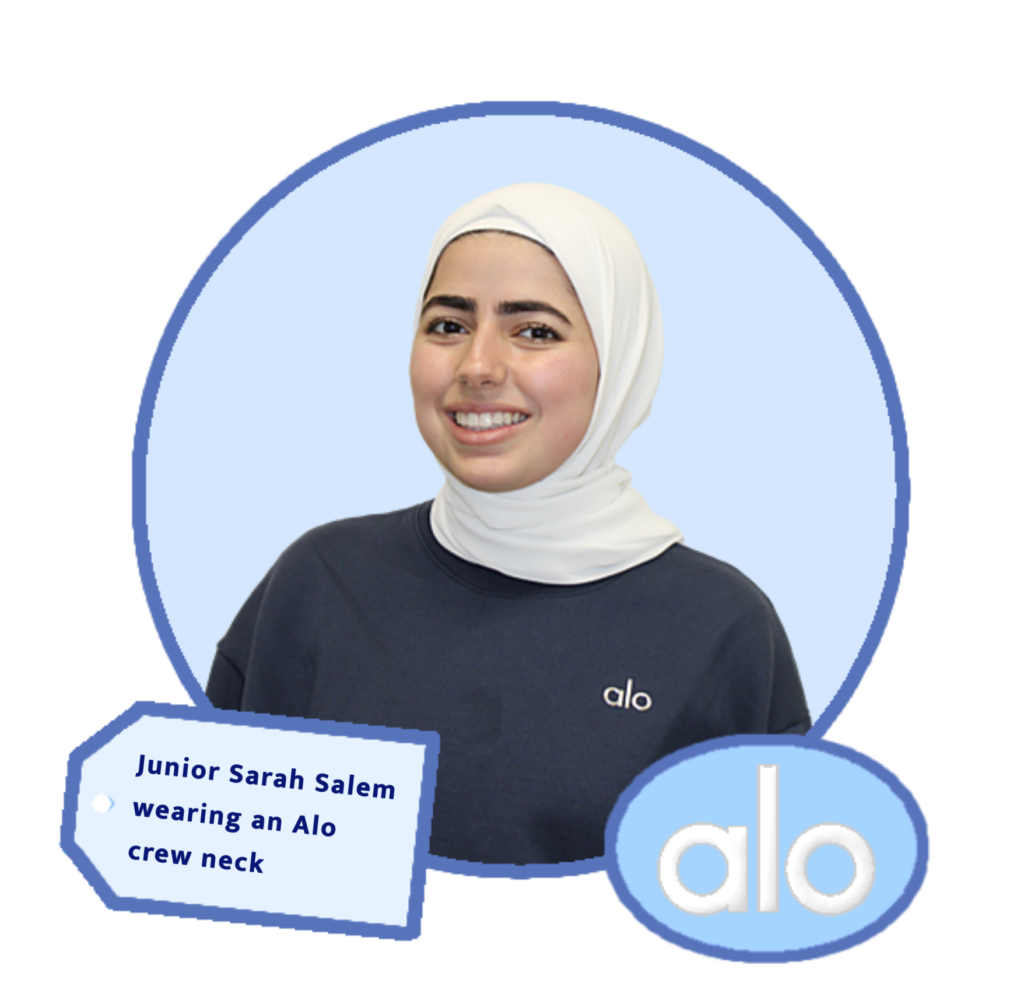
“We just buy and buy and buy without even thinking about what we’re buying,” Salem said. “I think this leads to this whole idea of consumerism. Almost every time I buy something, I think about that because I wouldn’t have really bought it if it weren’t a trend. Maybe, but most likely not.”
Bensman said she has had similar experiences where the glimmer of a new piece of clothing fades after the craze dies down.
“I definitely have regretted some of my decisions right after the fact, or it’ll be sitting in my closet and I’m like, ‘Oh my gosh, a couple months went by and it’s not even trendy anymore, and I’m regretful of that,’ or I’ll resell it at Plato’s Closet for $10 after I bought it for $100.”
Clothes can act as a status symbol and an economic indicator. Bensman said that popular brands like Alo and Parke, with most products priced above $100 and very little range in pricing, are only available to those who can afford them. She tries to find a balance between expensive and average-priced clothing. But even in doing so, she questions whether the brands she is drawn to are ethical.
“Alo is strictly for people who can afford a $100 set,” Bensman said. “There’s no range in their prices. It’s strictly for a certain group of people, and so sometimes you look at that and [think], ‘Is this right? Is this something I should be supporting?’ I’m not sure.”
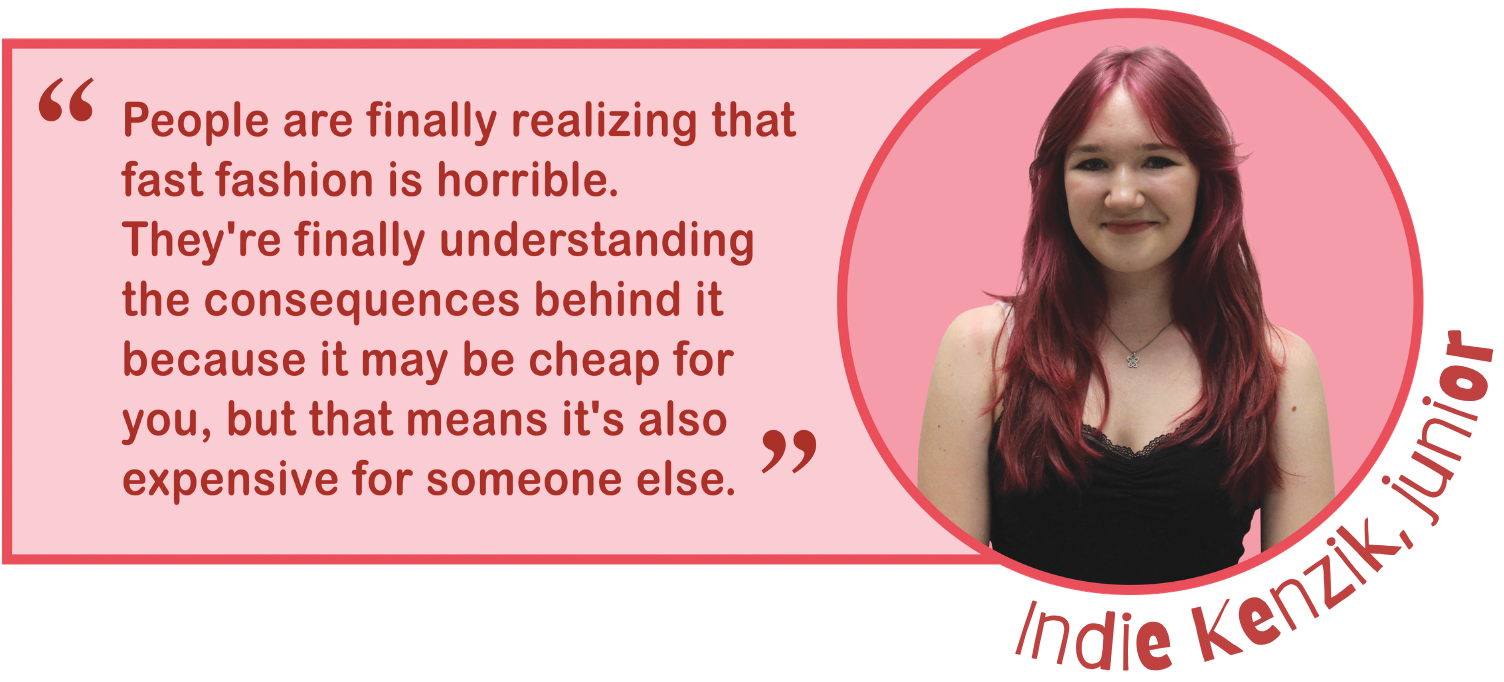
Sarah Salem said she thinks the popularity of expensive brands is linked to social status and pressure to fit in economically. The more that students support these pricey brands, the more Salem worries that social class divides will seem even more pertinent.
“For example, Parke, or an Alo shirt that’s $150, that definitely does show somewhat of a social status,” Salem said. “[It is communicating] ‘I can afford this,’ which I feel like isn’t the best thing. I wish we could popularize things that are maybe a little bit less expensive so that we can all wear them.”