Hailey DeGroff | The Chronicle
As they transition from playing sports as a child to competing in high school, athletes eventually face a major choice: to pursue a collegiate career or move on. At military academies, student-athletes do not follow the traditional college path; they commit to serve after graduation. There, Division I athletics are paired with military training and demanding academics, allowing students to develop leadership, purpose and excellence both on and off the field. Three athletes at different stages of their careers share one goal in common: to serve the country.
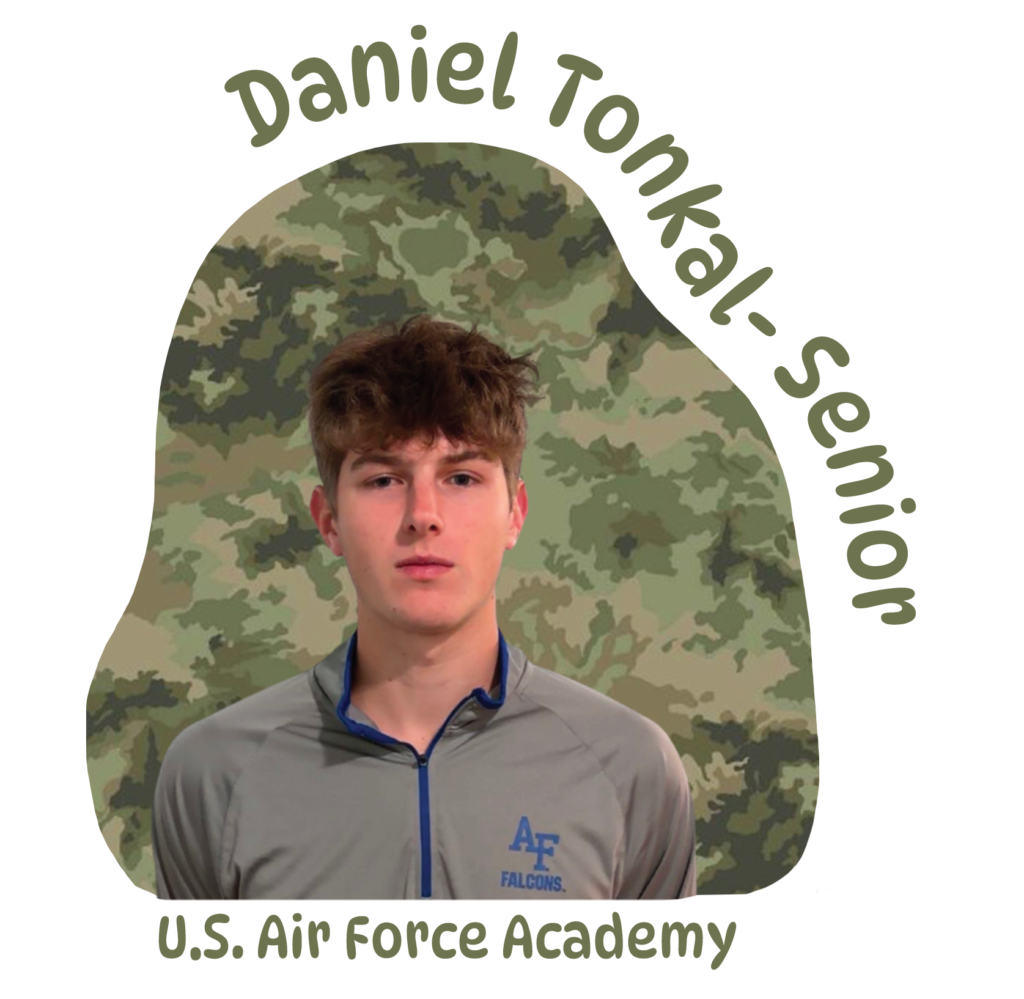
On Nov 19, 2025, Mason High School (MHS) senior tennis player Daniel Tonkal verbally committed to the United States Air Force Academy (USAFA). Since he was eight years old, Tonkal knew that he wanted to play tennis at the collegiate level, but he never would have imagined going to a service academy. In October 2025, Tonkal had a lot of top Division III offers and not many Division I offers, when a coach at the USAFA reached out and opened a new and unexpected door for him. After learning more about the academy, he fell in love with the purpose of USAFA. The other programs he was considering at the time had good academics, but did not meet his financial needs or have the facilities to meet his desires.
“Balancing academics, tennis and military duties is my biggest concern so far going into the academy,” Tonkal said. “Everyone I have talked to [has] told me it is going to be very difficult. Being able to stay organized and not procrastinate will be the most important thing for me.”
The concern is real, but so is the opportunity. For Tonkal, the challenge of balancing academics, athletics and military responsibilities is exactly what drew him to the Air Force Academy in the first place. Additionally, he said that the opportunity to be a part of something bigger than himself and to get out of his comfort zone is why he wants to serve. Tonkal feels confident entering one of the most rigorous college environments in the country, and while the challenge ahead is significant, he believes the foundation he has built at MHS has positioned him for success both as a cadet and a student athlete.
“I have been taking [Advanced Placement] and Honors classes throughout my whole high school career because I knew that my goal was for tennis to help me get into a good academic college,” Tonkal said. “I think that consistent physical and mental training throughout each year has helped me [prepare] for the challenges at USAFA.”
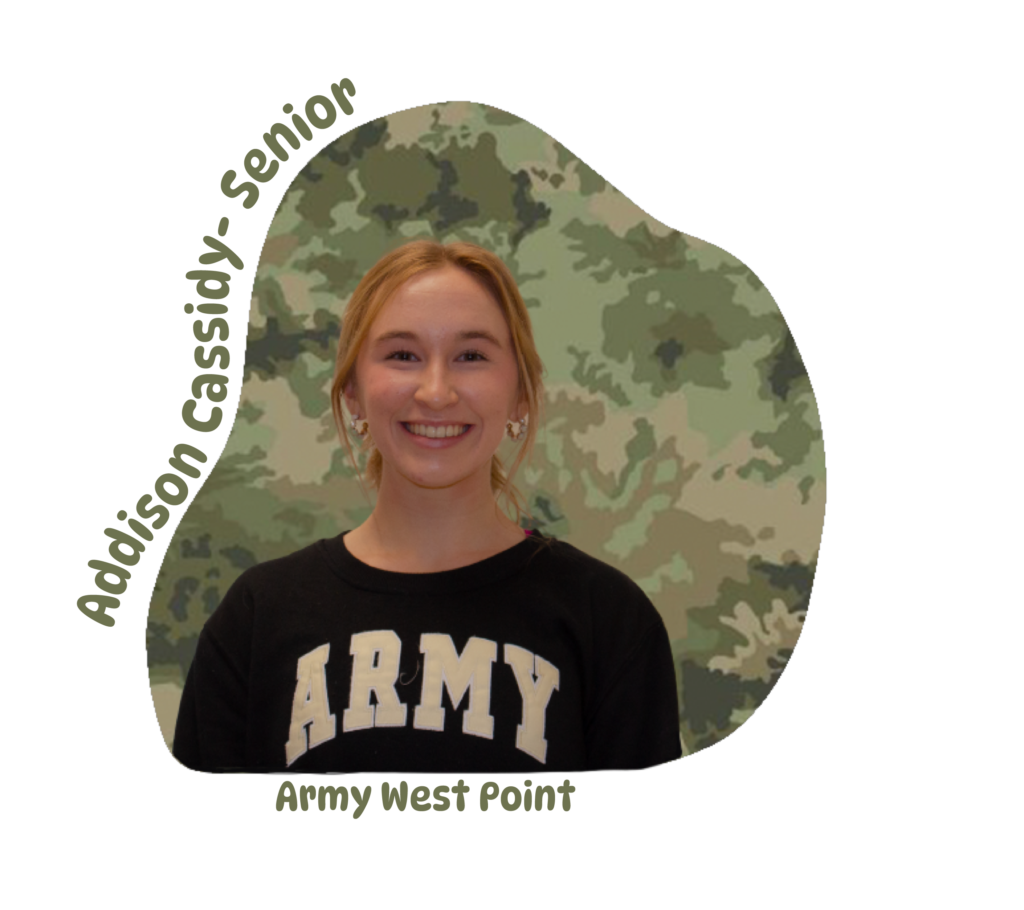
Senior Addison Cassidy had taken a different route to end up in the same position. Similar to Tonkal, Cassidy had never thought of going to a military academy. On January 24th, 2025, she verbally committed to Oakland University. In June, Cassidy found out that one of her doubles partners had a sister who had gone to the United States Military Academy at West Point. When she found out about the experiences and opportunities that were given at West Point, Cassidy took the risk to decommit just to see if there was a spot open and luckily, there was. On December 8th, 2025, she announced her verbal commitment to Army West Point.
“[Everyone there] is a really hard worker, and I want to be a part of that,” Cassidy said. “I want to feel like I have a bigger purpose in the world.”
Cassidy explained that the culture of West Point and the opportunity to be surrounded by driven individuals with similar values helped her to realize that she had a desire to be a part of a community of strong leaders that prioritize service and accountability over personal recognition. For Cassidy, the sense of shared purpose and a “giving-back” mentality is what set the military academy apart from other colleges.
Student-athletes at MHS face academic, personal and physical stress. At military academies, these factors are present as well, so time management and organization are imperative.
“[The schedule at West Point] is pretty similar to my life right now,” Cassidy said. “That is one reason I thought I would do well there, because you follow the same plan every day.[I will have] school throughout the morning and into the afternoon, practice in the evening and homework at night – pretty much what I do right now. It will definitely be more time-consuming because of the coursework intensity and military responsibilities, but I will be able to handle it.”
For student-athletes like Cassidy, the opportunity to compete at the Division I level while committing to something greater than themselves defines their decision. By choosing Army West Point and other service academies, Cassidy can embrace a demanding path built on discipline, leadership, and service. This will not only shape her athletic career but also the rest of her life.
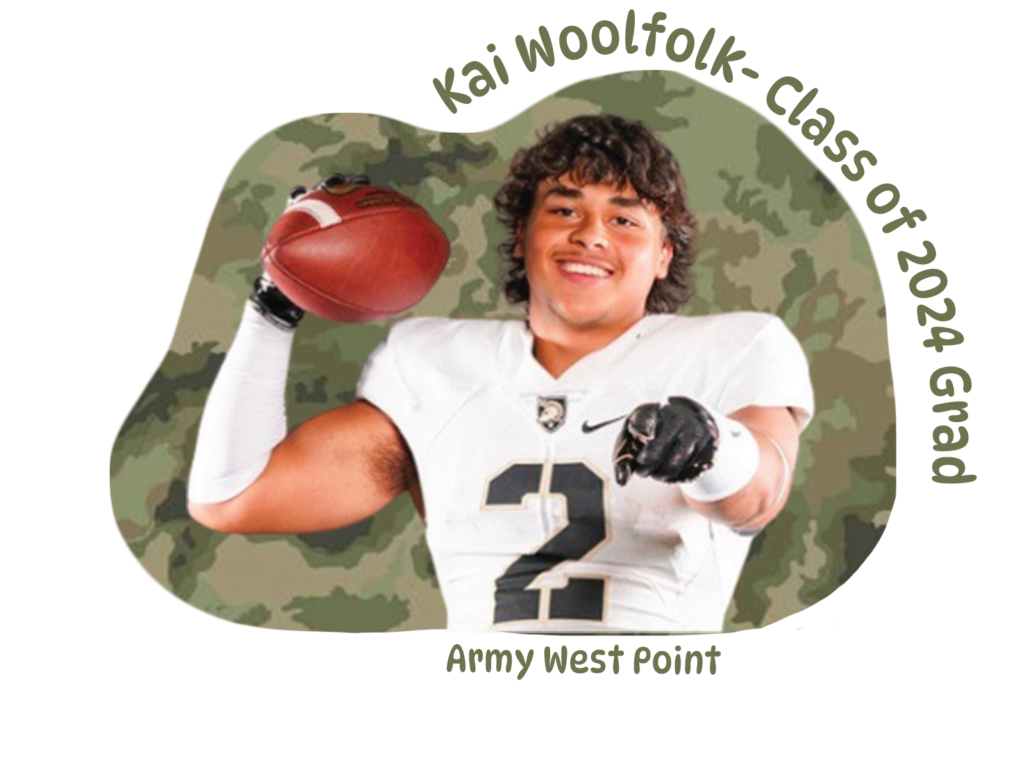
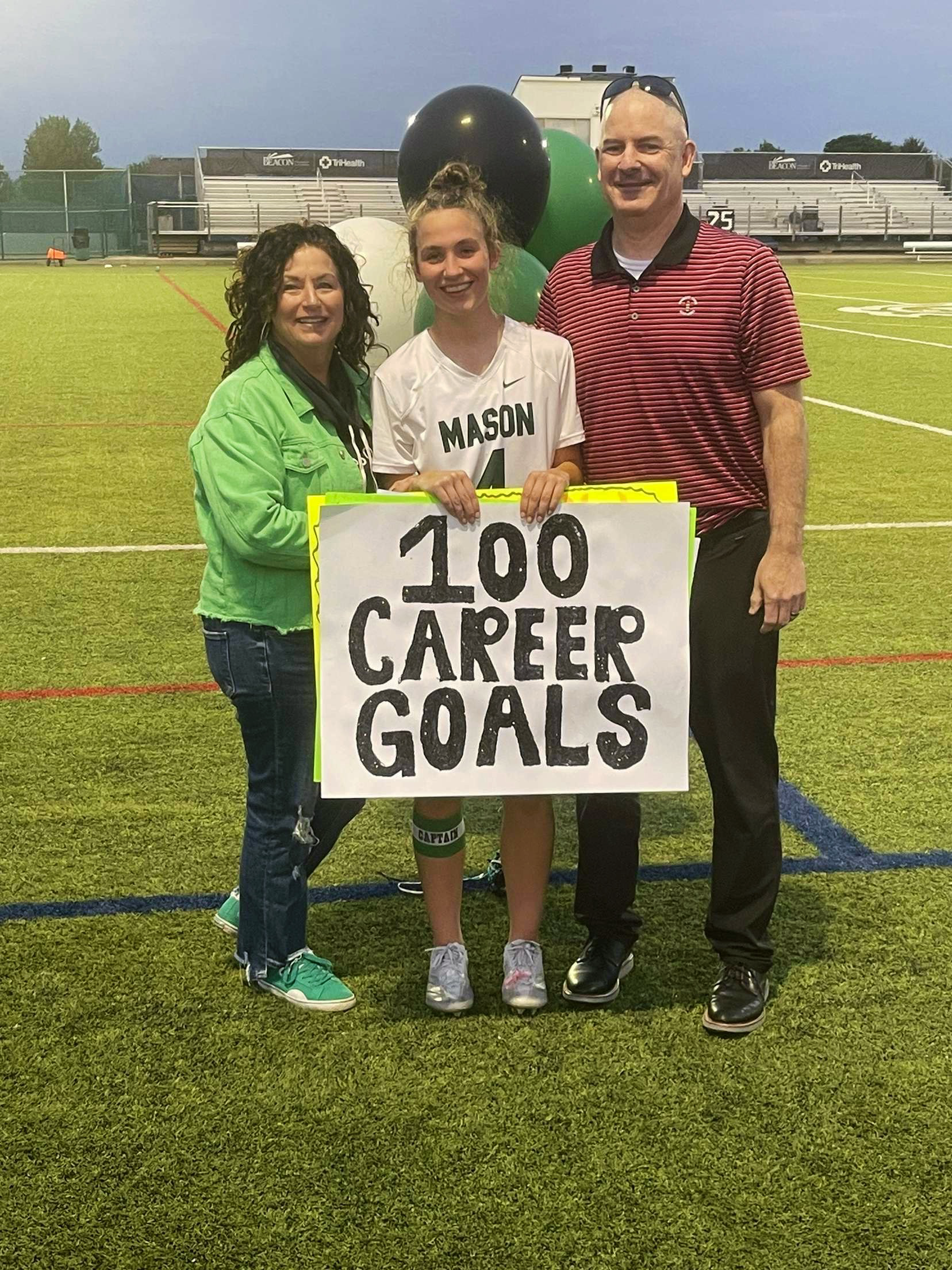
Kai Woolfolk, a member of the MHS class of 2024, a Comets Football alumnus and a current sophomore at Army West Point, is another example of an elite athlete choosing the demanding path of a service academy.
“My typical day begins with accountability formations at 7 a.m. and a march to breakfast,” Woolfolk said. “After that, I am usually in class till about 2 p.m. From there, I am at football from 2:30 to around 8 p.m, then I do my homework. My days are super busy, but it is a blessing to wake up every day, challenge myself and be surrounded by great people.”
Though the schedule is grueling, Woolfolk said that being surrounded by outstanding men allows him to understand how to professionally attack everything he does. This emphasizes how the structure around student-athletes’ routines shapes not only their athletic performance but their character as well.
“In high school, I read books about military leaders, like Chris Kyle, Admiral McRaven, Jocko Willink, David Goggins and many others,” Woolfolk said. “I really started to wonder if I could do some of the outstanding things these men achieved.”
Woolfolk was inspired to go to a military academy because he wanted to challenge himself while still playing the sport he loves. He also knew the importance of surrounding himself with disciplined, motivated peers who held themselves and others to a high standard. The academy environment could teach him leadership, resilience and accountability in ways he knew a traditional college experience could not.
Woolfolk said that choosing West Point was about more than football. It was about growing as a person, testing his own limits and preparing for a life of service and purpose, similar to the paths that current seniors Tonkal and Cassidy are preparing to embark on. The lessons that these athletes will learn on their unique journeys will stay with them for the rest of their lives.
“My advice would be to seriously consider this opportunity because there truly is no other place in the country that will develop you like one of the military academies,” Woolfolf said. “If you are looking for a place that challenges you to become the best version of yourself, then I highly recommend the academies.”