Aybika Kamil | Managing Editor | The Chronicle
Ohio’s student-athletes may soon lose the ability to profit from name, image and likeness (NIL).
Proposed on Jan. 29, 2026, by Ohio Representatives Adam Bird and Mike Odioso, House Bill 661 (HB 661) aims to ban NIL for student-athletes from grades seven through 12. Cosponsored by 13 other Ohio representatives, the state bill would prevent student-athletes from receiving any benefits or compensation related to their performance or position on any interscholastic athletic team. HB 661 would overturn the Ohio High School Athletic Association’s (OHSAA) Nov. 2025 vote that allowed NIL deals if passed.
As the leading effort behind HB 661, Representative Adam Bird began working on the bill after learning that the OHSAA was seeking to approve NIL. He said he disagreed with the approach the OHSAA took and that they strong-armed their member schools after a lawsuit was filed against the OHSAA, resulting in a temporary injunction allowing NIL deals.
“I would contest the [OHSAA’s] approval process [of NIL],” Bird said. “There were hundreds of schools that abstained because they didn’t like the vote, and many schools that voted no. OHSAA doesn’t want to fight a legal battle that is worthy of fighting. [Member schools] were told, ‘You need to pass this so that we can avoid a lawsuit,’ when I think a lawsuit is worthy of having.”

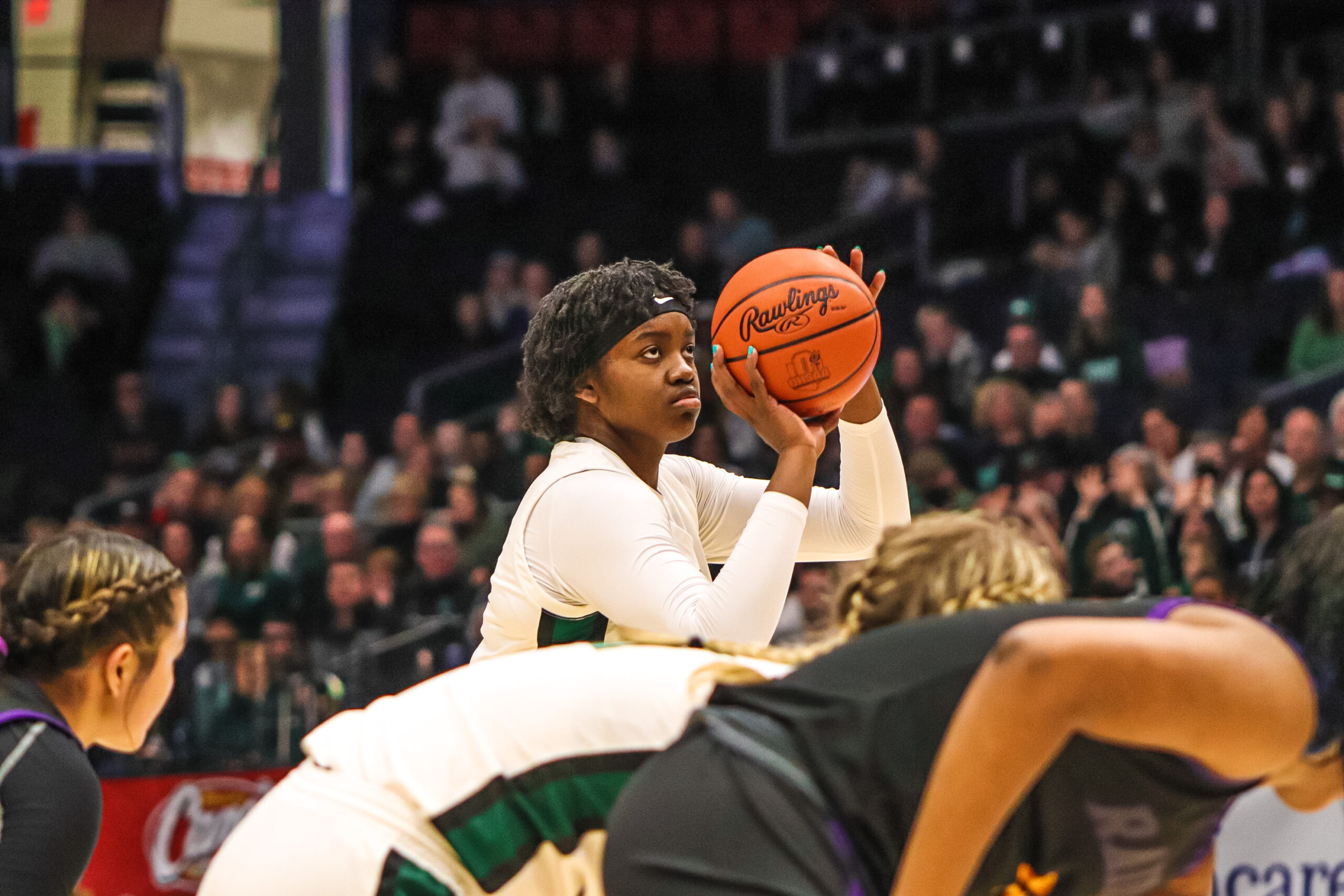
Kyla Oldacre, a 2022 Mason High School graduate and McDonald’s All-American, now plays for the nationally ranked Texas Longhorns. As a standout athlete with immense national appeal, Oldacre represents a generation of stars who just missed the opportunity to capitalize on high school NIL (Name, Image and Likeness) opportunities.
Beyond being a representative, Bird played both high school and college sports. He worked in education for 33 years, holding roles as a coach, teacher, principal and superintendent. Bird said he believes in the importance of sports, but that NIL would ruin the current athletic landscape of Ohio.
“[In] an environment where some people are making money and some are not, there’s going to be contention and resentment,” Bird said. “[NIL] is going to destroy the fabric of a team sport. We’re trying to teach people teamwork, camaraderie and discipline.”
Bird said that interscholastic sports would lose their essence and purpose if NIL is allowed. He said both he and his co-sponsors believe in preserving amateurism in sports, and that can only be done through a full ban.
“[Interscholastic sports] are not about earning potential,” Bird said. “They’re an extension of the classroom built upon teaching people communication, leadership and character development. These are the reasons why we provide co-curricular opportunities.”
MHS athletic director Scott Stemple served on the OHSAA’s NIL committee board for the past three years. Stemple said the OHSAA conducted two years of research with the help of about 20 athletic directors from around the state to evaluate different approaches to NIL, eventually landing on a model that took inspiration from Washington, D.C.
“The one pressure point is that students should have the opportunity to generate revenue, no different than a student who is a singer, in a band, a musical or someone who sells their artwork,” Stemple said. “I think it’s a little different when you are dealing with teams.”
Stemple said while there is a loss of amateurism that he believes high school and middle school sports were built on, he sees how NIL could benefit some.
“The positive might be that there’s a student who academically might not be a really strong student, because he or she is athletically inclined and can bring on these opportunities,” Stemple said. “I mean, if you’re a high school student and you bring in $3 to $4 million when you’re 18 years old, you’re smart and you have smart parents, they can invest that for you.”
As an athletic director, Stemple said there are downsides to NIL that could affect not only the team but also the coach. He said since there are no Mason athletes under an NIL contract, the outcome of HB 661 will be new territory for students participating in revenue-generating sports like football and basketball.
“[NIL] can impact the chemistry of a team,” Stemple said. “It starts to tarnish the impact that a coach can have. A kid could be a great player, and it just raises the level of your team up, and everything could go great. But if things don’t go well, then I can see where a player and that player’s family would start to think that their player is entitled and [more] elite now. I don’t think high school sports were designed for that.”
When entering NIL contracts, students must follow OHSAA bylaws and are responsible for managing their profit in whichever way they choose. Stemple said he would be concerned about whether middle school and high school students are prepared to take on NIL responsibilities, considering that college sports have already been affected by it.
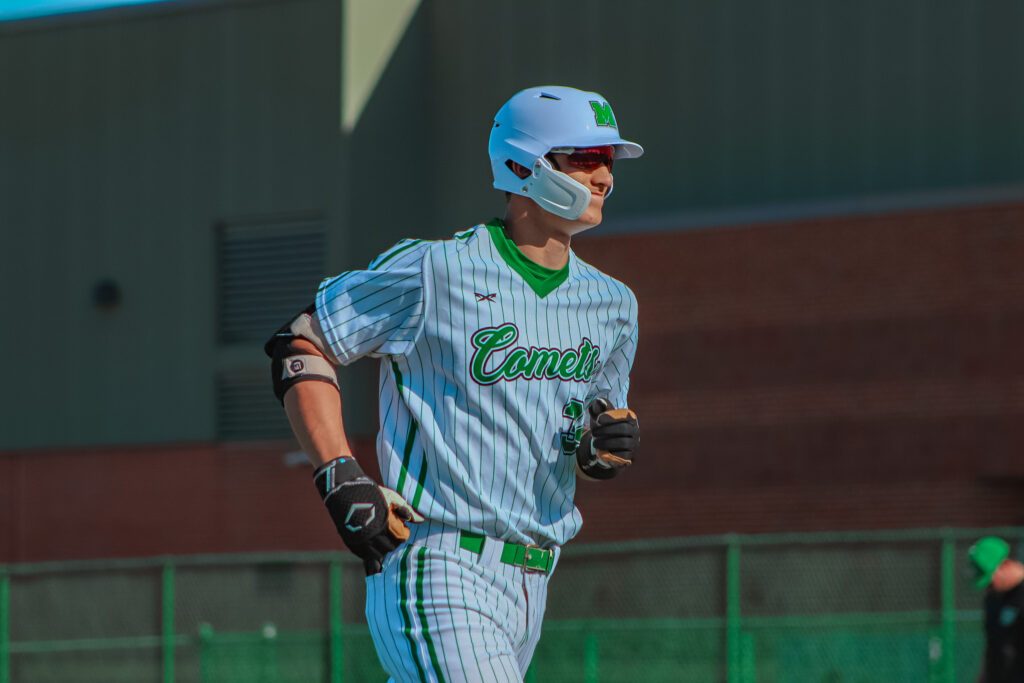
Jacob Hanley led Mason High School to the 2024 state baseball championship. As a consensus All American and Ohio Player of the Year, Hanley’s national profile and elite status as a top-ranked recruit made him a prime candidate for high-value NIL (Name, Image and Likeness) opportunities.
“When money starts coming into young students’ hands, some students don’t have direction from their parents,” Stemple said. “College kids aren’t even really prepared to handle some of that money. [Professional athletes] don’t even handle their money. Some of them end up bankrupt or destitute. No one is going to take the responsibility for your individual contract that you have. That is on you.”
Like Bird and Stemple, Mason City Schools Superintendent Jonathan Cooper said NIL deals can weaken both the spirit of a team and character-building values the district emphasizes for student-athletes. Cooper and the Mason school board initially supported NIL under the OHSAA bylaws, but he said he believes there are better ways to address concerns with NIL.
“Right now, [HB 661] is just moving really quickly,” Cooper said. “I don’t think those are the best conditions for making decisions that are best for kids. There is always a third way, and the third way is typically the wiser, better way. I’m always trying to figure out the third way. How do we walk along that ridge thoughtfully, where we honor student athletes and give them their rights?”
Cooper said that while NIL deals are not inherently bad, the way they are handled can negatively impact the mental health of student-athletes.
“NIL will put pressure on students,” Cooper said. “Those people who are putting money behind you expect you to perform. So then a kid is now forced to be on stage all the time, and they’re getting paid for it. That’s the piece I want to protect our kids from more than anything else.”
From an administrative perspective and as a father of Mason student-athletes, Cooper said he would prefer broad legislative guidelines for NIL deals that still allow school district control as opposed to a total ban proposed by HB 661.
“Legislation could give us guidance to protect kids and student rights,” Cooper said. “We live in a community where there are a lot of smart people, and they are wise about how we do things. The legislation could be NIL is going to happen—it just needs to be done outside of school, and you can’t have any kind of impact in school. Or it gives some regulation on how to protect schools from trying to recruit and tempt kids to come to different schools and offering them things they shouldn’t be.”