Ruhi Kaneria | The Chronicle
Generation Z is often described as the generation of self-care. Born between 1997 and 2012, this generation has prioritized mental and physical well-being, openly discussed mental health and sought out professional help and wellness practices more than any generation before them. But along with this shift comes a wave of challenges from the commercialization of self-care, unrealistic standards and unequal access to mental health resources.
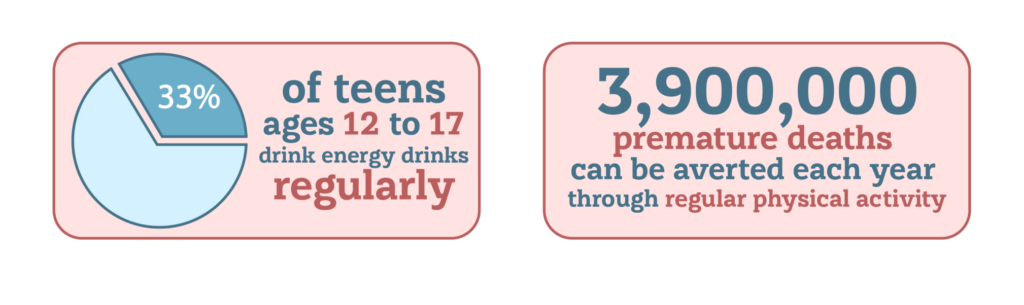
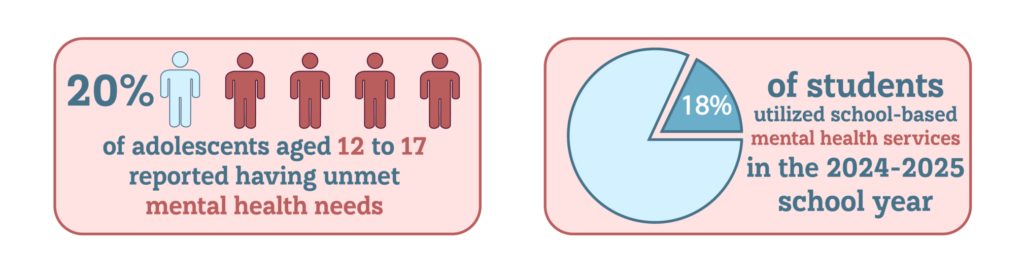
Statistics sources include Johns Hopkins Medicine, World Health Organization, Centers for Disease Control and Prevention (CDC) and Kaiser Family Foundation.
The rise of student self-care
Laura Martin, who has served as the prevention and wellness coordinator for the Mason City School District for 22 years, has witnessed a steady increase in students talking about mental health and self-care. She credits the conversations among peers and staff for helping destigmatize mental health and encouraging students to express their needs.
“The district has a huge priority placed on mental health and mental wellness in general, so there have been several [developments in the program] over my time here,” Martin said. “Focusing on an understanding and wanting to get the perspective of the students to find out what will actually make a difference for [them] has been a huge priority.”
Martin notes that students face a range of struggles, including sleep deprivation, stress management and academic and social media pressure. However, she has seen a noticeable improvement in student well-being, thanks to initiatives such as the SafeSchools Alert tips to the growing peer-to-peer suicide prevention group, Hope Squad.
Still, barriers keep students from truly taking care of themselves. Misconceptions and stigma can lead to hesitation about reaching out for support.
“I think the biggest [misconception] is that seeking help is a sign of weakness, and it’s not at all,” Martin said. “Getting help shows that you are strong enough to recognize that you need support, and that you are in a place where you’re ready to get support. We are not going to judge people for where they are and what they’re doing, and we know that getting help can make a huge difference for people.”
She also observes a harmful culture of comparison, particularly around who can function with the least sleep or rely on the most energy drinks.
“There’s the saying that comparison is the thief of joy, and I really think that’s true,” Martin said. “But particularly for mental health, you’re on your own journey, and so there really is no benefit to comparing yourself to somebody else’s journey.”

The pressure to compare
Hope Squad member Amelia Eshman also recognizes signs of comparison among her peers, due to their interactions with social media. Eshman herself is not on social media and as a self-labeled perfectionist, Eshman is glad that she is not because she believes it would further intensify the feelings of trying to be perfect.
“While it is good that the idea of self-care is getting out there [on social media], the idea of a perfect way to self-care is very toxic, because it looks different for everyone,” Eshman said. “The idea that we have ends up being negative towards students [because it] makes self-care seem unattainable to the average student, and so they might be less inclined to participate in it.”
Martin adds that social media leads to another layer of pressure, contributing to stress and insecurity among teens.
“People put their best selves on social media and then we compare, because that’s what we do,” Martin said. “People of all ages are impacted by that and really engage in the same behaviors of comparing, and so we have had to be more aware and conscious of the impact that that’s having for students and the need to address it.”
As self-care becomes more popular on social media, Martin believes students must be able to distinguish between aesthetic self-care and effective self-care.
“[Participating in self-care practices] just to do self-care isn’t really going to get you very far. Self-care that [is] so important are the things that make a difference in your brain’s ability to process things and how well you’re going to be able to function throughout the day,” Martin said. “Sometimes we think of self-care as taking a yoga class, and that’s great too, but there are some more basic things that really can have a huge impact on your overall well-being.”
Beyond aesthetic self-care
When looking for intentional forms of self-care, Martin has experimented with using technology to make self-care more accessible to a digitally dependent generation. Martin has created calming kits for classrooms through the Mason Schools Foundation and has used grant funding to introduce Healium Virtual Reality (VR) goggles that support student self-regulation with guided breathing exercises and biofeedback.
“Students put [the VR goggles] on and engage in experiences that are designed to really bring [them] back to an optimal learning state,” Martin said. “It’s a really cool way to bring a different level of support to students who are used to engaging with a variety of technology. It’s been an interesting time to see the way that technology can support students outside of some of the traditional things that we see, and there’s still so much growth and opportunity to utilize technology.”
Her biggest self-care tips for students are simple: get sleep and connect with somebody. During exam week, she encourages students to choose 30 more minutes of sleep over studying, noting that better rest leads to better brain function and stronger performance.
“It really just impacts every area of their life,” Martin said. “Students who can get the support that they need really move to a path that is healthier and happier, and it just makes a huge difference in their overall well-being.”
Balancing academics and well-being
In the classroom setting, AP Chemistry teacher Monica Schneider sees the same patterns. She notices that students who engage in self-care habits are more organized, attentive and mentally present. But she also recognizes a culture of competition around stress.
“We’re in a culture where it looks really good to stay up till 3 a.m. doing work because you were ‘working so hard’ and ‘sacrificed sleep,” Schneider said. “I struggle with both of those being kind of performative because some kids think that it’s really important for [them] to look busy.”
Academic pressure also plays a major role. Even with warnings from the district and counselors to not overload, some students and families fear not being the “perfect” student.
“The hardest thing for most of my kids is that they feel like they have to be perfect,” Schneider said. “A lot of my students want to be an A+++ student, and when they’re an A- student, or they’re a solid A student, that’s still not good enough. It’s to their detriment because sometimes failing forward is important.”
As an AP-level teacher, Schneider must find a balance between teaching the rigorous curriculum in preparation for the AP exam and creating fun and engaging extra activities that make the class enjoyable.
“We are put into a position of deciding, do I back off and allow students to have more flexibility in their day and not give them as much intense work, but know that those Advanced Placement (AP) scores aren’t going to be high, or do I push them a little bit and allow them to succeed,” Schneider said.
She hopes her class helps her students build health habits like chunking material and managing time. Schneider has noticed that Gen Z is more self-aware and reflective than her generation which helps students acknowledge when they need support.
Martin hopes that improvements happening in the classroom, like Schneider’s, will continue to grow district-wide. If she could redesign the district’s wellness program, she would focus on creating supportive spaces and environments to prioritize well-being. She believes that a generation that truly practices self-care could transform its own future.
“The awareness and the emphasis on self-care is there [in Gen Z], but I think it’s still a little bit of ‘I did it to do it’ versus ‘I did it to make a difference in my mental wellness,” Schneider said. “I think really recognizing what works best for you and prioritizing it will be most impactful.”
Statistics sources include Johns Hopkins Medicine, World Health Organization, Centers for Disease Control and Prevention (CDC) and Kaiser Family Foundation.
As a student and Hope Squad member, Eshman understands that self-care can feel overwhelming or make students feel guilty. As someone who struggles with making time for herself, she recommends taking intentional breaks throughout her day, whether that is to take a second to breathe, grab a snack, or just get a change of space.
“Be intentional because if you are feeling guilty about taking breaks or resting and you feel like it doesn’t fit into your schedule, build those breaks into your time to normalize it,” Eshman said. “If you’re intentional about it, it becomes part of your schedule, and the more you do it, the more it’s normal, and once you normalize it, you feel less guilty.”
Starting that journey alone is hard, so Eshman recommends getting friends to hold each other accountable or setting alarms throughout the day to sit and close your eyes and get a change of scenery rather than grabbing your phone, so when you return to your work, you feel that you have reset.
“Ultimately, self-care is resetting and balancing your life so that you can do everything that you were doing to the best of your capabilities, because we can’t always be doing everything all the time,” Eshman said. “It’s hard to live like that, so if we all try to be more intentional about doing things that help us reset, our work will become a little bit lighter and easier, because we’ll have reset.”