
Sophie Allen | The Chronicle
Mason High School (MHS) teens have been trading in mall trips for online clicks. Buying and selling clothing on online platforms such as Vinted and Depop have become increasingly popular among teens; some look for deals, while others search for unique pieces. What is a bit of quick cash for one teen can be another’s find of the century.
Sophomore Angela Li has been reselling her clothing on the online secondhand platform Depop since March of 2026. What originally started as a way to clear out her closet and make some money has immersed her in a community.
“I try to make the prices very affordable because I’m not there looking for money,” Li said. “I usually pick out some clothes that I want to donate to charity and some that I feel would be resellable. So I split them into two and the clothes that are more [trendy] I sell online.”
Li said that her experience with Depop started with social media. She discovered the platform and first considered selling her clothing after seeing advertisements and influencers’ posts about it.
“It’s definitely become a trend and I think it’s mainly because of social media and how it has impacted it,” Li said. “Like, people would post Depop hauls and everything, and I just knew if I wanted to go sell my clothes I would sell them on Depop because that’s apparently what everyone uses.”
Junior Indie Kenzik has been a thrifter her whole life, after being introduced to it at a young age by her mother. Indie said that she has noticed changes to thrifting—both positive and negative—since clothes reselling began trending a few years ago.
“I don’t like how people take advantage of [thrifting] and they really up the prices,” Kenzik said. “They see people will spend that much money, and so they buy things at $1, $2, and resell it for maybe $100; it makes thrifting less enjoyable because reselling has become such a trend that thrift stores are kind of raided, almost.”
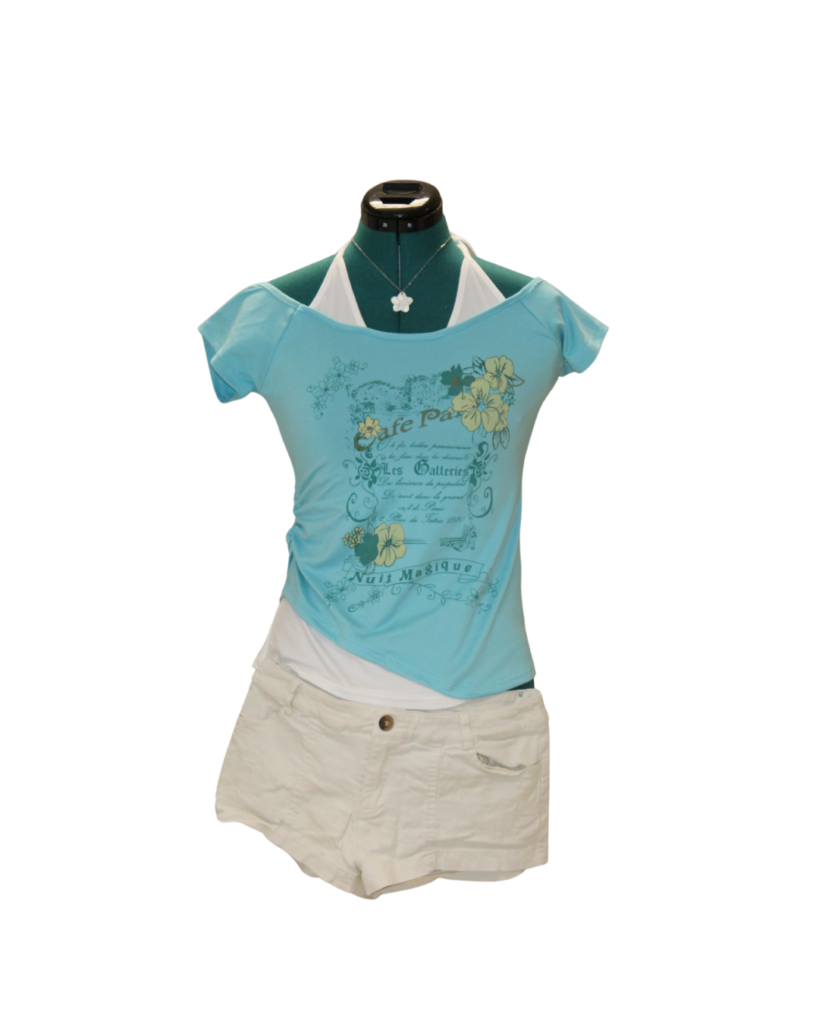
Thrifting is its own hobby, separate from online secondhand shopping. Kenzik said that while Depop and online platforms give a curated experience, making it easier to find specific pieces, it is also more expensive. Thrifting, on the other hand, can be more time consuming, but cheaper; part of the fun is the search itself.
“If you’ve seen videos online or on TikTok, you’ll see that the Goodwill bins are a really popular thing right now,” Kenzik said. “People will post videos just grabbing all the vintage Hollister and Aeropostale—the things that people really look for. Thrifting now feels like a competition since the resellers are just rushing to get all this stuff, and they will grab it out of your hands.”
On the other hand, shopping secondhand online provides benefits beyond price. For some shoppers, these platforms offer access to styles and pieces that may be difficult to find at brand-name and even thrift stores, where the stock varies greatly.
“In this economy there’s inflation and so many things are more expensive, so of course some people tend to go thrifting [and] shop on secondhand sites because it’s more affordable,” Li said. “But a bigger piece of it is mainly style. I think the people who are wanting to hone into specific styles or really specific [pieces] will shop secondhand because they can’t find a brand that might produce that certain thing that they want.”
Sophomore Rhea Bangera began selling and occasionally buying from Depop in July 2026. She said secondhand shopping and selling has many aspects which appeal specifically to teens, especially those with limited budgets.
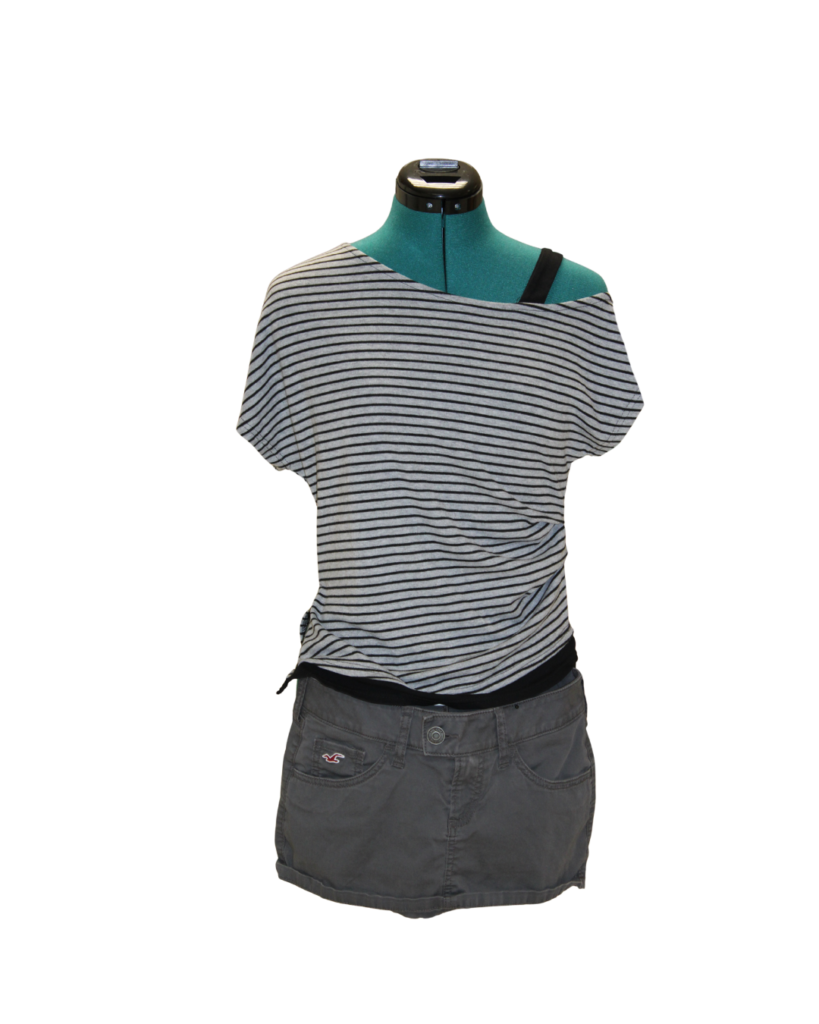
“I mean, we don’t have a lot of money as teenagers, like I don’t even have a job so I don’t have a ton of money,” Bangera said. “Secondhand shopping is just a lot easier to get cheaper clothes because I can’t always be buying name brands if I’m not making any [money].”
Ultimately, Li said Depop’s popularity comes down to convenience. Where traditional retailers may not cater to every style and the stock of thrift stores often boils down to luck, platforms like Depop can provide exactly what someone is looking for through filters and search terms.
“I think secondhand clothing has become pretty trendy because influencers have hyped Depop up a lot,” Li said. “There’s a lot of stigma around secondhand shopping, but I feel like ever since Depop has become trending and [because] it’s much more affordable the stigma [around secondhand shopping] has gone down a bit because everyone is using it and influencers are using it.”
Depop has blurred the line between marketplace and social media. More so than on other platforms, such as eBay, Li said the aesthetics of a listing can be a major factor in whether or not an item sells.
“The photographs that I put on my [listings] matter a lot,” Li said. “I remember when I was selling this one sweatshirt it was really [trendy] so I knew it was going to be sold. It was sitting there for around two months until I just deleted the post, and I started taking photos of myself wearing the clothing and it got sold within a week.”
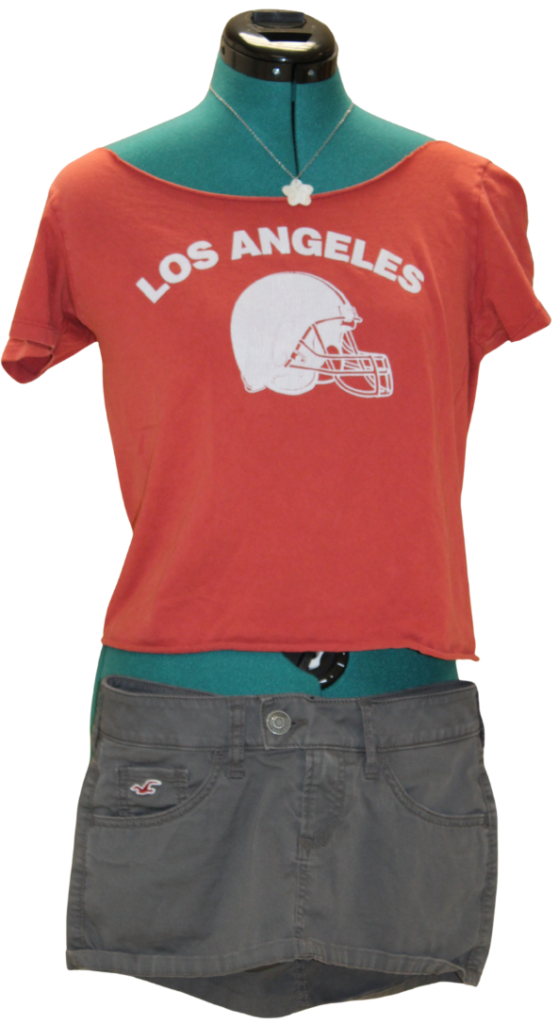
Kenzik said that while trends and influencers popularizing the hobby can be a major factor in the rise of secondhand shopping, there are other reasons people are beginning to turn towards it, such as ethical concerns for the environment and labor conditions.
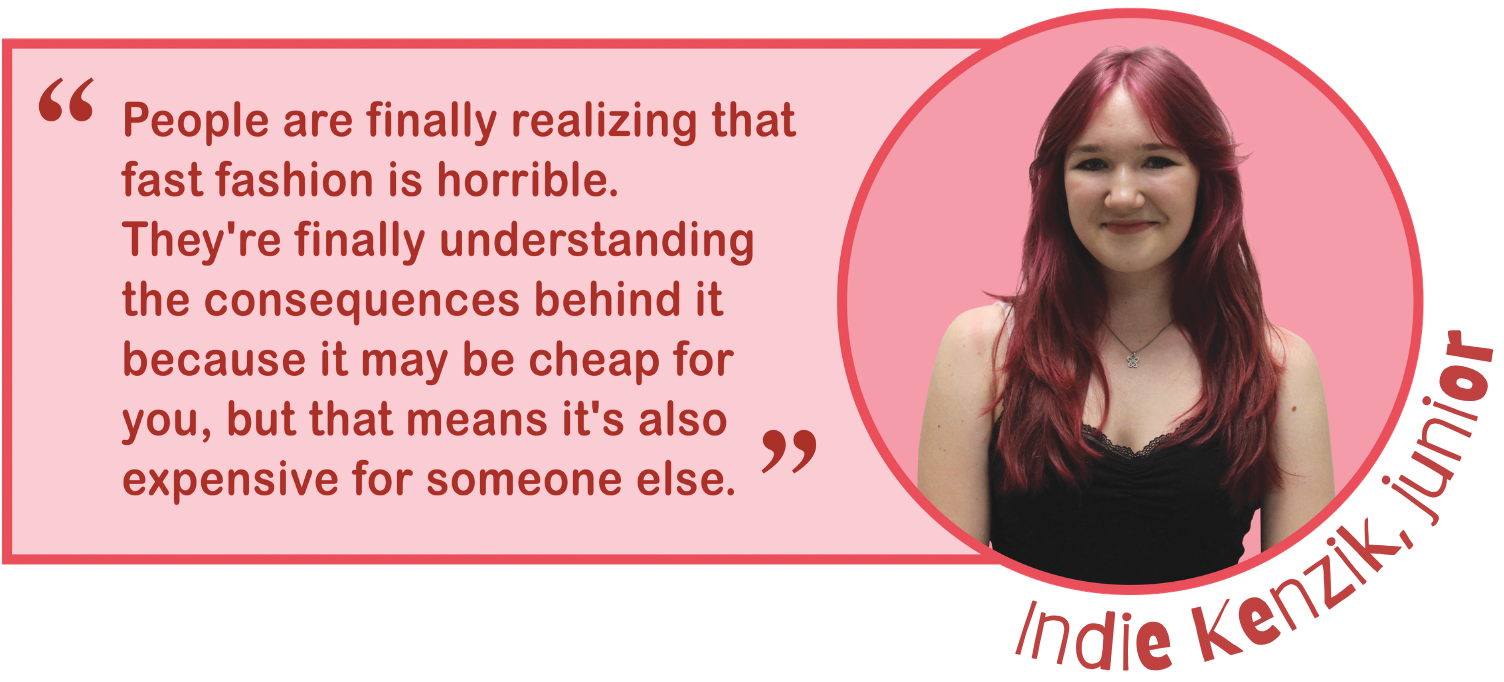
“People are finally realizing that fast fashion is horrible,” Kenzik said. “They’re finally understanding the consequences behind it because it may be cheap for you, but that means it’s also expensive for someone else. Like it takes up so much of their time; they get paid so little for it. They’re not in great environments, which is what makes it cheap for you.”
While Kenzik said she has noticed the many drawbacks reselling can have on the secondhand market, she said she is glad that more people are showing concern for the planet and ethical problems that often arise from fast fashion.
“I think people have finally started to realize that the stigma behind thrifting isn’t real, and they’re just missing out,” Kenzik said. “It’s so much fun, and I think people are starting to realize that, too.”